

Parenting Skills Every Modern Parent Needs in 2026
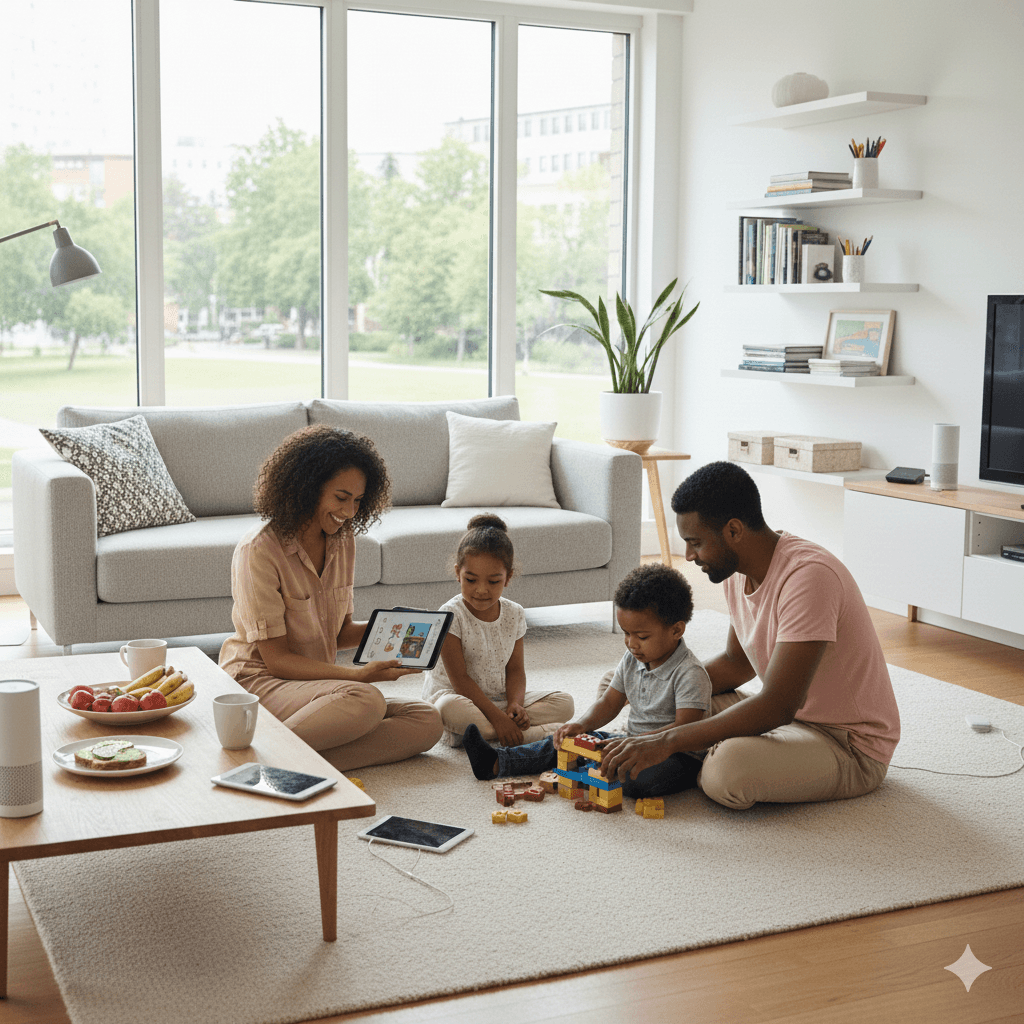
Parenting today looks very different from what it did even a decade ago. Modern parents are navigating a fast-paced world shaped by technology, evolving family dynamics, and growing awareness of mental health and neurodiversity. While love and care remain timeless, the parenting skills needed to raise confident, resilient, and compassionate children continue to evolve. Modern parenting blends empathy with practical strategies that support both neurotypical and neurodivergent children, while recognising the value of shared learning through parent peer groups and parent support networks.
Emotional Intelligence and Empathy
Emotional well-being has become just as important as academic success. Positive parenting encourages parents to model emotional intelligence by recognising and regulating their own emotions while helping children do the same. Listening without judgment, validating feelings, and teaching healthy coping strategies build trust and emotional safety. Simple shifts in language—such as acknowledging a child’s feelings instead of dismissing them—strengthen connection and support emotional regulation.
Consistency with Flexibility
Children thrive on predictability, yet everyday life requires adaptability. Consistent routines help children feel secure, especially those with autism, ADHD, or anxiety. At the same time, gently introducing changes helps children build resilience and problem-solving skills. Tools such as visual schedules can provide structure while allowing flexibility, a balance often discussed and reinforced in parent help groups and counselling spaces.
Digital Awareness and Boundaries
Technology is an everyday part of children’s lives, making digital awareness an essential parenting skill. Modern parenting focuses on guiding children to use screens safely and responsibly rather than enforcing rigid restrictions. Setting clear boundaries, modelling healthy digital habits, and having open conversations about online safety and kindness are central to positive parenting. Shared family practices, such as tech-free time, help children develop balance and self-regulation.
Strength-Based Parenting
Strength-based parenting moves away from focusing solely on mistakes and instead highlights a child’s abilities and interests. Encouraging strengths—whether creativity, curiosity, or problem-solving—builds confidence and motivation. For neurodivergent children, this approach is especially empowering, supporting self-esteem and individuality. Many parent support groups emphasise this perspective as a way to nurture growth without comparison or pressure.
Communication That Builds Connection
Respectful and clear communication is at the heart of healthy parent-child relationships. Explaining the reason behind rules, actively listening, and involving children in problem-solving fosters cooperation and mutual respect. Communication styles that prioritise understanding over authority help children feel heard while maintaining consistent boundaries—an approach often modelled in parent peer group discussions and parenting workshops.
Self-Care for Parents
Parenting places significant emotional and mental demands on caregivers. Recognising the importance of self-care is a key part of positive parenting. When parents look after their own well-being, they are better able to respond calmly and consistently to their children’s needs. Parent support groups and parent help groups often remind caregivers that caring for themselves is not selfish, but essential for sustainable parenting.
Conclusion
Parenting in 2026 is about more than meeting basic needs—it is about nurturing emotional intelligence, adaptability, and resilience. The parenting skills that matter most today include empathy, flexibility, digital awareness, strength-based approaches, effective communication, and self-care. Through modern parenting practices and the support of parent peer groups, parent support groups, and parent help groups, families can create environments where every child—neurotypical or neurodivergent—feels valued, understood, and supported.
Written by-
Dhvani Manchanda (Child Psychologist)