

When Big Emotions Arise: Helping Your Child Learn to Manage Triggers
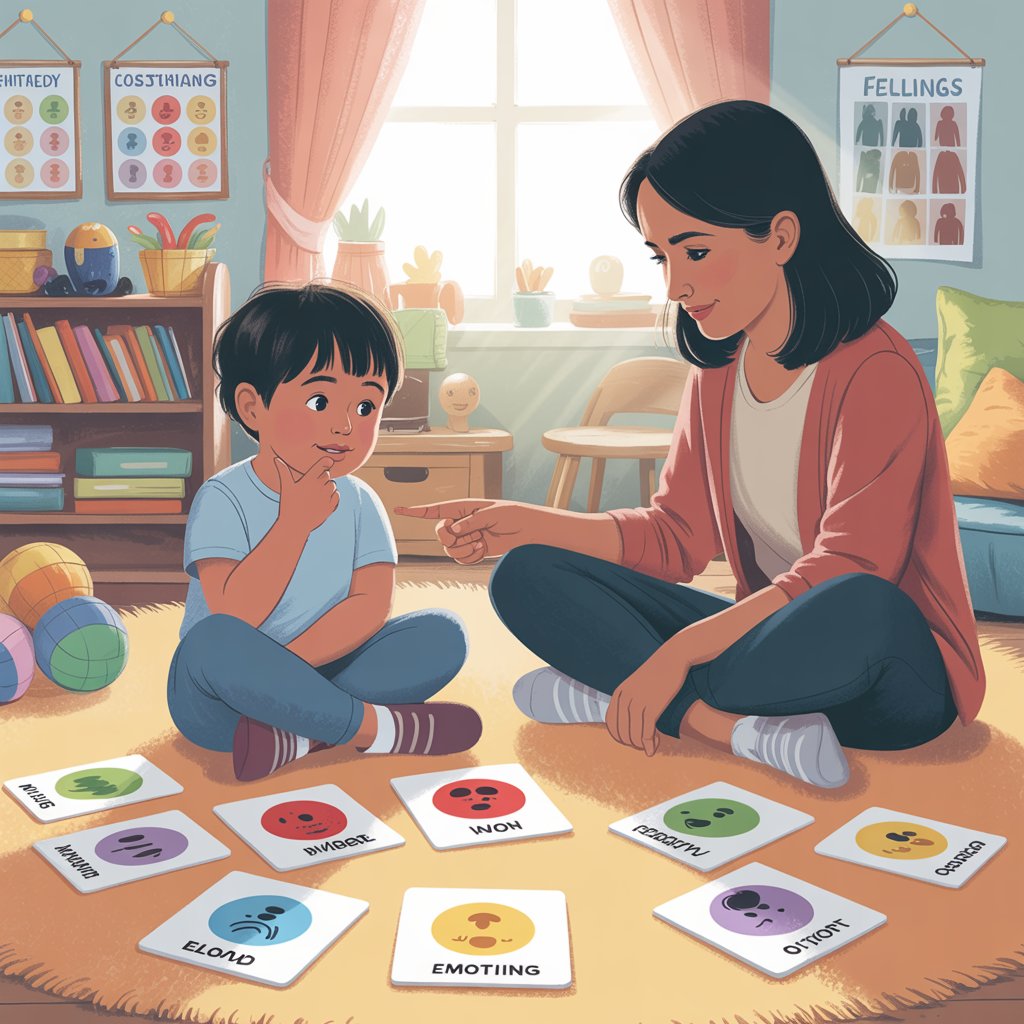
Every child experiences big emotions, but when children learn to recognise and manage their emotional triggers, they gain a powerful sense of control. Emotional triggers in children are the moments, sensations, or situations that push emotions from manageable to overwhelming. By helping children understand what sets off these reactions, parents support emotional regulation, confidence, and independence—skills that last far beyond childhood.
Learning how to help a child manage emotional triggers is not about stopping emotions. It is about teaching children to notice early signals, make sense of their feelings, and choose coping strategies that work for them.
Understanding Emotional Triggers in Children
Emotional triggers can be sensory, emotional, or situational. Loud noises, crowded spaces, transitions, hunger, tiredness, social misunderstandings, or feeling criticised often trigger emotional overload in children. When a trigger is activated, the brain reacts quickly to protect itself, making calm thinking difficult.
For neurodivergent children, including those with autism or ADHD, sensory triggers and emotional overwhelm may occur more frequently and intensely. Supporting these children to recognise triggers helps reduce meltdowns and builds emotional regulation skills in everyday life.
Why Teaching Trigger Awareness Empowers Children
When children understand their triggers, they stop feeling confused by their own reactions. Instead of thinking, “I’m bad” or “I can’t help it,” they learn, “My body is telling me I need support.” This shift is central to emotional awareness in children and helps them take an active role in managing emotions.
Children who recognise triggers early are more likely to ask for help, use coping tools, and recover faster from emotional moments. Over time, helping children manage emotional triggers leads to fewer meltdowns, stronger communication, and healthier relationships.
Supporting Trigger Awareness in Early Childhood (Ages 3–5)
Young children experience emotions mainly through their bodies. Teaching emotional regulation for preschool children works best when learning is concrete and playful. Parents can help by naming physical sensations during emotional moments, such as a fast heartbeat, hot cheeks, or wiggly hands.
Using visuals like emotion faces or body outlines helps children connect feelings to bodily signals. Simple questions like, “Where do you feel it when things get too loud?” encourage awareness without pressure. At this stage, managing triggers may look like stepping away from noise, holding a comfort object, or sitting with a trusted adult until the body calms.
These early experiences lay the foundation for emotional self-regulation skills later in life.
Helping School-Age Children Manage Emotional Triggers (Ages 6–8)
As children grow, they become more capable of reflecting on experiences. Supporting emotional regulation in school-age children involves gently exploring what made certain moments difficult. Calm conversations after school, drawing pictures, or using simple journals help children identify patterns such as frustration during waiting, transitions, or group play.
Parents can guide children to link triggers with coping strategies. For example, recognising that noisy spaces cause overwhelm may lead to choosing quiet breaks or asking for help. At this age, teaching children to manage emotional triggers means helping them practice noticing feelings early and choosing tools before emotions escalate.
Empowering Older Children to Manage Their Own Triggers (Ages 9 and Above)
Older children benefit from deeper reflection and problem-solving. They can begin tracking emotional patterns and understanding how sleep, hunger, stress, or expectations affect their reactions. Supporting emotional regulation in older children includes discussing real-life situations and exploring what helped or didn’t help.
Emotion scales, role-play, and regular check-ins help children notice rising tension before it turns into overwhelm. At this stage, managing triggers may include planning ahead, setting boundaries, or advocating for personal needs. These skills support emotional independence and resilience as children face academic and social pressures.
Tools That Help Children Recognise and Manage Triggers
Practical, hands-on tools make emotional learning tangible and easier for children to apply in real moments. Creating trigger maps together—such as simple posters that list personal triggers like sudden changes or loud noises alongside coping tools like headphones, quiet breaks, or movement—helps children feel prepared rather than reactive. Using visual schedules or building simple, child-friendly calm plans gives children a clear sense of what to do when emotions begin to rise.
Interactive activities also deepen understanding. Scenario-based play, using puppets or stories, allows children to explore questions like, “What might be triggering the bunny while waiting in line?” or “How does its body feel right now?” These playful conversations help children recognise emotional and physical cues in a safe, non-threatening way. Body-awareness exercises, including yoga poses, stretching, or gentle “tension and release” squeezes, teach children to notice early signals such as a racing heart, tight muscles, or shallow breathing.
Simple safety plans can further support trigger management by guiding children through clear steps when a trigger appears—pause, name the feeling, and choose a helpful tool such as deep breathing, a fidget, or stepping away briefly. Encouraging children when they identify a trigger or use a coping strategy reinforces positive emotional development. The focus remains on effort, awareness, and growth, not perfection.
When Children Struggle With Trigger Awareness
Some children find it difficult to talk about emotions or resist discussing triggers. Normalising emotional experiences and sharing adult examples reduces fear and shame. Consistency between home and school strengthens support for emotional regulation across environments.
For neurodivergent children, visual supports, routines, and predictable responses can make trigger management more accessible and less overwhelming.
The Long-Term Impact of Teaching Trigger Management
Children who learn to recognise and manage their triggers develop lifelong emotional skills. They become better at handling stress, communicating needs, and building empathy for others. Families often notice calmer routines, improved behaviour, and greater confidence.
Helping children manage emotional triggers is not about controlling emotions—it is about empowering children to understand themselves.
When children learn to recognise and manage their emotional triggers, they gain confidence, resilience, and emotional clarity. With patient guidance, children come to trust their own signals and develop tools that support them through life’s challenges.
If you would like personalised support in building emotional regulation skills for your child, contact us now. We work alongside families to help children understand emotions and grow with confidence.
Written By:
Oindrila Dutta, Child Psychologist Insighte