
What Children Need After an Emotional Meltdown
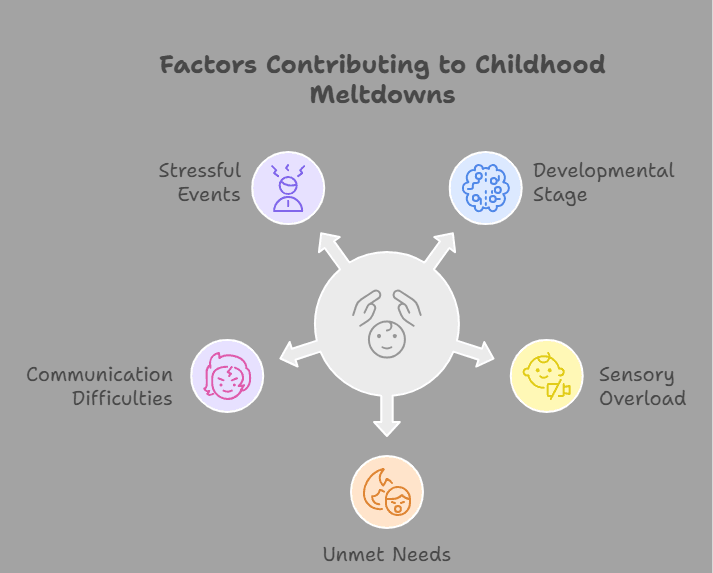
Emotional meltdowns are a natural part of childhood. They often occur when children feel overwhelmed by emotions they do not yet have the skills to manage or express. Triggers such as loud environments, changes in routine, fatigue, frustration, or feeling misunderstood can easily push a child beyond their coping capacity. While meltdowns can be difficult to witness, they are not acts of defiance or poor behaviour. They are signals that a child needs support.
What happens after a meltdown plays a powerful role in shaping a child’s emotional development. The recovery period is where children learn whether emotions are safe, whether they are understood, and how they can begin to regulate themselves over time.
The Importance of Calm After a Meltdown
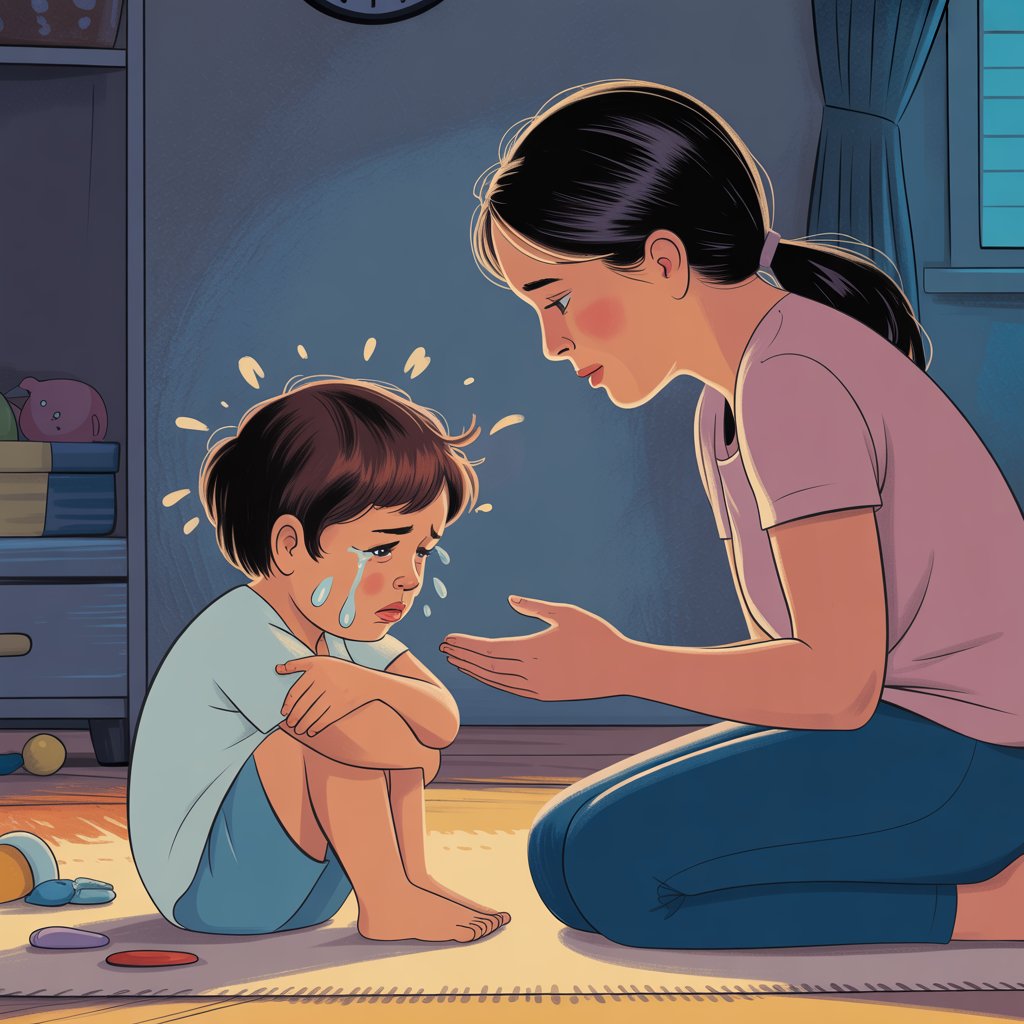
After a meltdown, a child’s nervous system is still highly activated. Stress hormones may remain elevated, leaving the child feeling exhausted, disoriented, or even ashamed. In this state, reasoning and discipline are ineffective. What helps most is a calm, predictable environment and the presence of a regulated adult.
Lowering sensory input, reducing expectations, and offering quiet reassurance allows the child’s body and mind to gradually return to balance. This sense of safety lays the foundation for emotional regulation and helps prevent further escalation.
Why Emotional Validation Matters
Once a child begins to settle, emotional validation becomes essential. Acknowledging how difficult the moment was—without minimising or judging the feeling—helps children feel seen and understood. Simple statements such as “That was really hard for you” or “You were feeling very upset” communicate empathy and acceptance.
Validation does not mean approving unsafe behaviour. Instead, it separates the emotion from the action, allowing children to understand that all feelings are acceptable, even when certain behaviours are not. Feeling understood makes children more receptive to learning and reflection later.
Rebuilding Connection and Emotional Safety
Following a meltdown, many children worry about being rejected, scolded, or punished for their emotions. Reconnection is therefore a vital part of recovery. Gentle reassurance—through calm words, presence, or a comforting routine—helps restore trust and emotional security.
When children know they are still cared for despite emotional outbursts, they are less likely to internalise shame. This reassurance strengthens the parent-child relationship and supports long-term emotional resilience.
Reflecting Without Blame
Meaningful reflection works best when the child is fully calm, which may be later in the day. At this point, conversations should be brief, supportive, and curious rather than corrective. Gently exploring what contributed to the meltdown—such as tiredness, frustration, or sensory overload—helps children build awareness of their internal cues.
These discussions are not about assigning blame. They are about helping children recognise patterns and understand their emotional experiences in a safe and non-threatening way.
Teaching Coping Skills During Calm Moments
Children learn coping strategies most effectively when they are regulated, not distressed. Introducing simple tools during calm times helps children prepare for future emotional challenges. Deep breathing, asking for help, taking a short break, or using a quiet space are practical strategies that can be practiced regularly.
Over time, these skills allow children to recover more quickly from emotional overwhelm and feel a greater sense of control over their reactions.
Recognising Progress in Small Ways
Emotional regulation is a developmental skill that evolves gradually. Children will not master it instantly, and setbacks are a normal part of growth. Progress often appears in subtle ways—shorter meltdowns, quicker calming, or improved communication.
Recognising and encouraging these small changes reinforces positive development and builds confidence in a child’s ability to manage emotions.
Building Emotional Resilience for Life
Healthy recovery after emotional meltdowns teaches children powerful lessons. They learn that emotions can be managed, that mistakes do not define them, and that support is available during difficult moments. These experiences contribute to emotional resilience, self-confidence, and healthier relationships as children grow.
Meltdowns are not failures—they are opportunities for learning and connection. When adults respond with calm, empathy, and gentle guidance after a meltdown, children are supported in developing emotional awareness and regulation skills that will benefit them throughout life.
At Insighte Counselling, we support children and families in building emotional understanding and regulation through compassionate, evidence-based care. Not sure how to support your child after big emotions? Talk to us now.
Written by:
Rachel George (Child Therapist, Insighte)