
The Whole Problem
Child & Family Counselling Training
Children rarely come with one isolated problem. Learn to see the whole picture.
- 21 Oct–4 Nov
- 6 PM
- Live online
- 2 hours/session
- 12 modules
- 40 seats
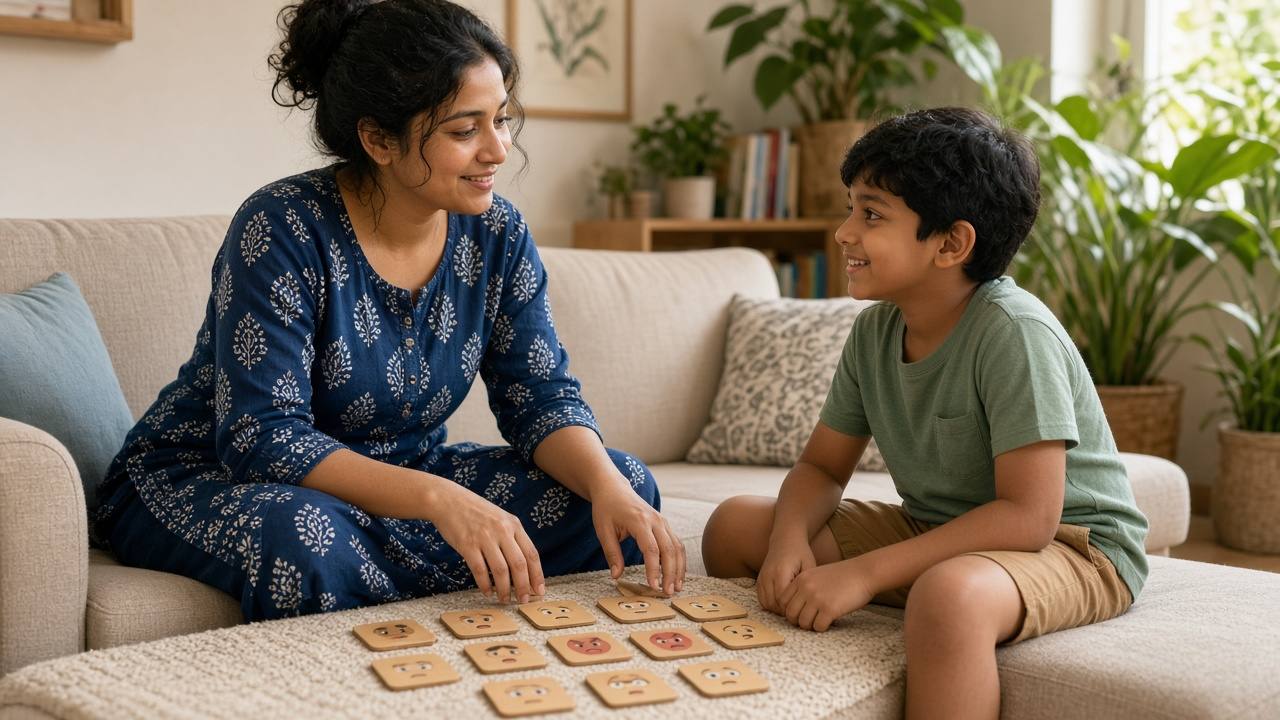
The gap
Who do you work with first?
A child is struggling. The parent wants a plan. The school wants the behaviour to stop. If you only treat the child in the room, you miss the system that keeps the week hard.
The parent
They hold the evenings, the siblings, and the fear that this is their fault. They need language they can use at 8pm, not a diagnosis lecture.
The school
The class teacher sees the meltdown, the missed work, the peer group. They need something that fits a period, not a 40-page report.
The child
They rarely arrive with one isolated problem. Mood, sleep, friendships, sensory load, and who they trust all sit in the same week.
By the end of this cohort
- Hold a first session without collapsing into advice or a label.
- See the child, the family, and the school as one picture, then choose who to work with first.
- Use a tool in the room the same week — not only a slide you admired.
- Talk about neurodiversity and trauma without asking the child to perform being fine.
Aarav is 11. Keep him in the room.
Each module returns to the same child: school is loud, homework is a fight, and nobody agrees whether this is ADHD, anxiety, or a family pattern. You will not get a tidy answer. You will practise what to do on Tuesday.
Curriculum
12 live modules. Tap a module to see what it covers.
How each live session runs
- Learn
- Watch
- Practise
- Discuss a case
- Take away a tool
1Foundations of Child Counselling: Ethics, Boundaries & Core Principles2 hours/session
21 October 2026. This combined foundation module brings together ethical practice and the psychological foundations of child counselling. It covers confidentiality, consent, professional boundaries, and ethical decision-making in work with children and families. It also introduces key foundations such as child development, attachment, and emotional regulation, helping participants translate theory into practical session work.
2Family Systems & Dynamics2 hours/session
23 October 2026. This module explores how a child’s emotional and behavioural patterns are connected to family interactions. Participants examine communication patterns, relational roles, and attachment histories through a family-systems lens, with practical mapping tools and real-life examples to support family-centred interventions.
3Understanding Neurodiversity2 hours/session
24 October 2026. This module introduces a neuroaffirming perspective that understands neurodivergence as difference rather than deficit. Participants explore practical strategies for supporting diverse cognitive and sensory profiles, alongside inclusive language and approaches that nurture autonomy, confidence, and connection.
4Integrative & Eclectic Approaches2 hours/session
26 October 2026. This module focuses on combining different counselling approaches, including CBT, narrative, and expressive therapies, according to a child’s individual needs. Participants explore flexibility in applying theory and developing personalised interventions that respect each child’s individuality.
5Art Therapy with Children: Creative Expression in Counselling2 hours/session
27 October 2026. This proposed module will focus on the use of art and creative expression in work with children. The detailed scope, learning outcomes, and practical components will be developed in consultation with the trainer, based on her expertise and the needs of the programme.
6Reflective Supervision & Professional Growth2 hours/session
28 October 2026. This module positions supervision as an active space for professional learning and emotional processing. It focuses on reflective dialogue, self-assessment, and peer feedback to strengthen professional competence while supporting the maintenance of clinical boundaries.
7Practical Counselling Tools & Techniques2 hours/session
29 October 2026. This module provides a practical toolkit for child counselling, including play-based worksheets, emotion cards, behaviour trackers, and reflection prompts. Participants learn how to plan structured yet flexible counselling sessions that balance engagement with therapeutic depth.
8Creative Play Therapy in Practice2 hours/session
30 October 2026. This module explores play, art, music, and storytelling as pathways for children to express emotions, process experiences, and build self-regulation skills. Participants are introduced to creative tools that can be adapted for use in schools, clinics, and counselling settings.
9ADHD Coaching & Support Strategies2 hours/session
31 October 2026. This module goes beyond symptom management to explore the lived experience of ADHD. Participants learn approaches to supporting executive functioning, motivation, and emotional regulation through structured coaching, strength-based feedback, and positive psychology techniques.
10Autism-Affirming Counselling2 hours/session
2 November 2026. This module develops understanding of the autistic experience from sensory, social, and emotional perspectives. It emphasises empathy, flexibility, and trust-building, while exploring ways to adapt counselling environments and methods to align with autistic communication and processing styles.
11Healing from the Inside Out – Trauma-Informed Care for Kids2 hours/session
3 November 2026. This module explores how trauma can affect the brain, body, and behaviour. Participants learn to recognise trauma responses, foster safety, and support emotional repair, with attention to neuroscience, mindfulness, resilience-building, and regulation-focused interventions.
12Self-Care & Burnout Prevention2 hours/session
4 November 2026. This module examines self-care as an ethical and clinical responsibility. Participants explore stress patterns, emotional fatigue, and restorative practices that can support sustained motivation and empathy, alongside mindfulness and reflective journaling exercises.
This is practice, not a webinar
Cases, role plays, and tools you can adapt in clinic or school.
Your trainers
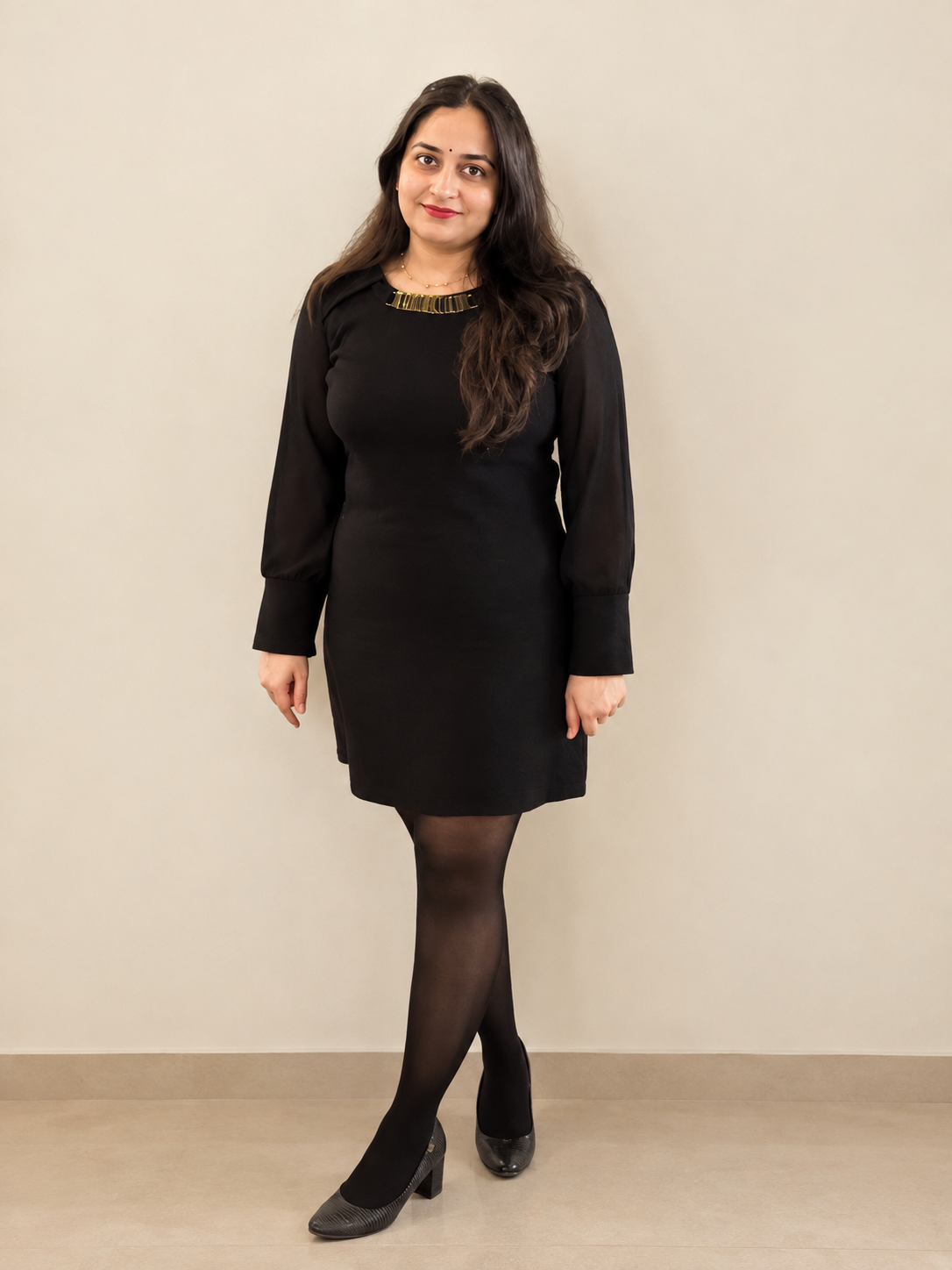
Krishna Kanabar
School counsellor and Trainer
Krishna Kanabar is a Psychology educator and school counsellor at Adani Vidya Mandir, Ahmedabad. She holds a Master’s degree in Applied Psychology, specialising in Clinical and Counselling Practice, and is currently pursuing her Ph.D. With over four years of experience working with children and adolescents, her areas of expertise include student wellbeing, emotional regulation, behavioural concerns, life-skills education, and psychosocial development. She is passionate about integrating psychological principles into educational settings, fostering emotionally supportive learning environments, and empowering students through evidence-informed counselling practices, experiential learning, and preventive mental health initiatives.
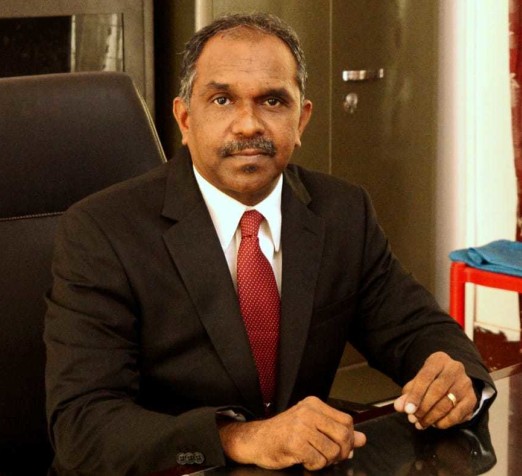
Prof. S.T. Janetius
Rtd. Principal , St.John College Dimapur
Professor S.T. Janetius is a psychologist, researcher, and author with over three decades of experience in counselling psychology and higher education. He holds a Doctorate (PhD) in Counselling Psychology from De La Salle University in Manila, Philippines, which he completed under a German scholarship. He has worked in India, in the Philippines, in Africa and for a short stint in Australia, teaching and training people from various segments and nationalities. He has authored more than 10 books and published over 50 research papers.

Anusha Alva
Child Psychologist
Anusha has 5+ years of experience, she supports children, adolescents, and young adults in areas including emotional regulation, self-esteem, and neurodiversity-affirming care. Anusha is committed to creating a warm and affirming space where individuals can explore their emotions, identities, and experiences without fear of judgment. She embraces a neurodiversity-affirming and trauma-informed approach, honoring the unique ways people process and navigate the world. With deep respect for the lived experiences of those she supports, Anusha encourages self-exploration and growth while ensuring that each person feels safe and supported at their own pace. Her goal is to co-create a space where healing, self-acceptance, and personal transformation can flourish.

Pallavi Bhaskar
Counsellor & Psychotherapist
Pallavi Bhaskar (MA Cl. Psy., PGDM) is an independent Counsellor and Psychotherapist based in Bangalore with over nine years of experience. Through her practice, she provides evidence-based, trauma-informed therapy to individuals navigating emotional overwhelm, relational patterns, and life transitions. Trained in IFS, Gottman Method, CBT, and neurodiversity-affirming approaches, her practice centres on creating a compassionate, collaborative space where clients can safely explore root causes, reframe unhelpful behavioural loops, and cultivate genuine, long-term emotional resilience.

Sanjivani Pargal
Psychologist, Art therapy practitioner
Sanjivani Pargal is a psychologist and art therapy practitioner with the bachelors and masters in psychology and diploma in Art Therapy, Merging therapy insights with hands-on creative mediums like art, finger painting, and clay, she helps people unlock new avenues of self-expression and emotional wellness. As a dedicated advocate for student wellbeing, Sanjivani has mentored over 100 students and successfully facilitated 20+ workshops and events. Through both her therapy work and engaging social media advocacy, she empowers individuals and emerging practitioners to embrace mental wellness through creativity and connection.
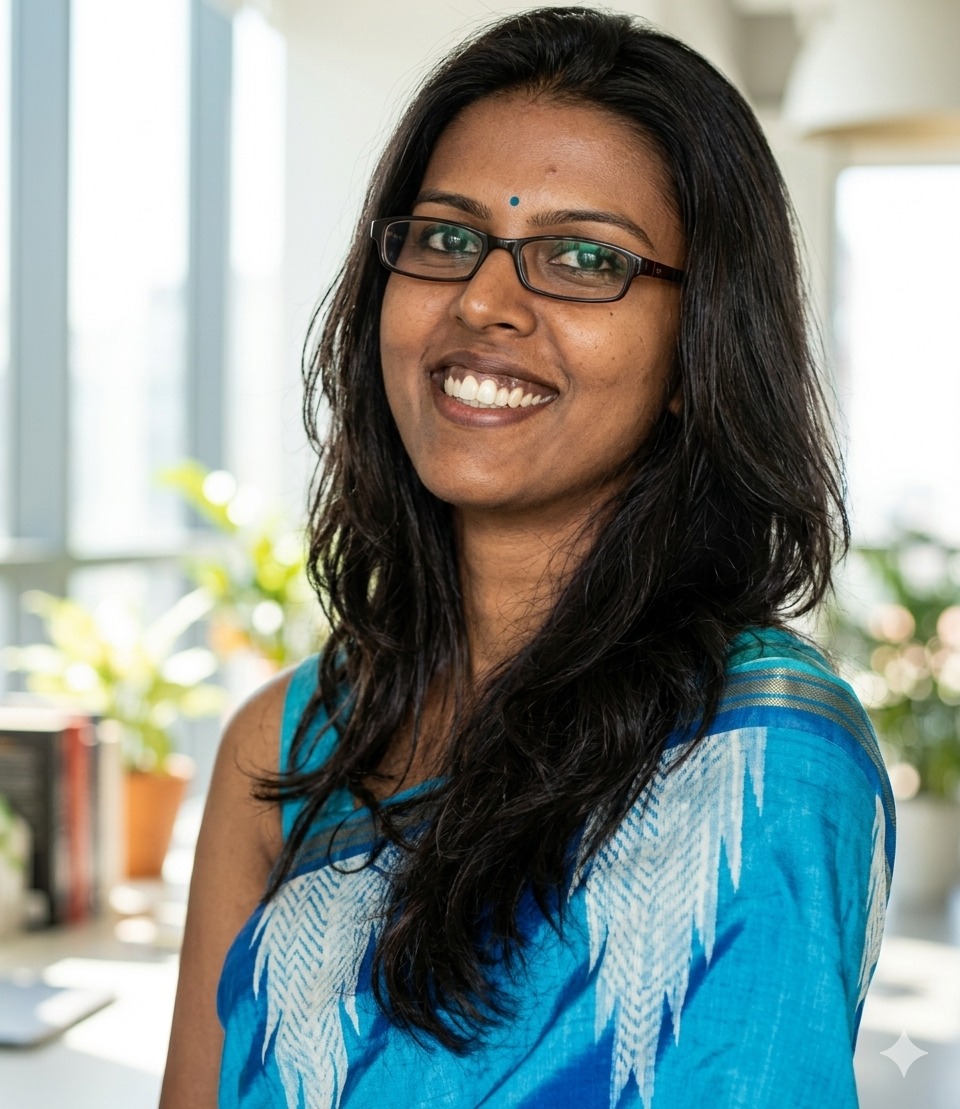
Soumya Puttaraju
Consultant Psychologist
Sowmya Puttaraju believes that her foremost skill is to be a learner and to be inquisitive about human behaviour. This has guided her in equipping herself with formal academic qualifications and guided her research pursuits as well. She presents her learning in specified group formats and in individual psychotherapy sessions. She has a PhD and MPhil in Psychology, where she tried to understand the importance factors other than scholastic abilities that could effect academic performance. Her (PhD) research initiative was supported by free access to a online research program at Stanford. She was also provided grant facility to present her research initiative at Oxford by ICSSR. Her publications have appeared in both international and National journals. She is also a certified psychotherapist
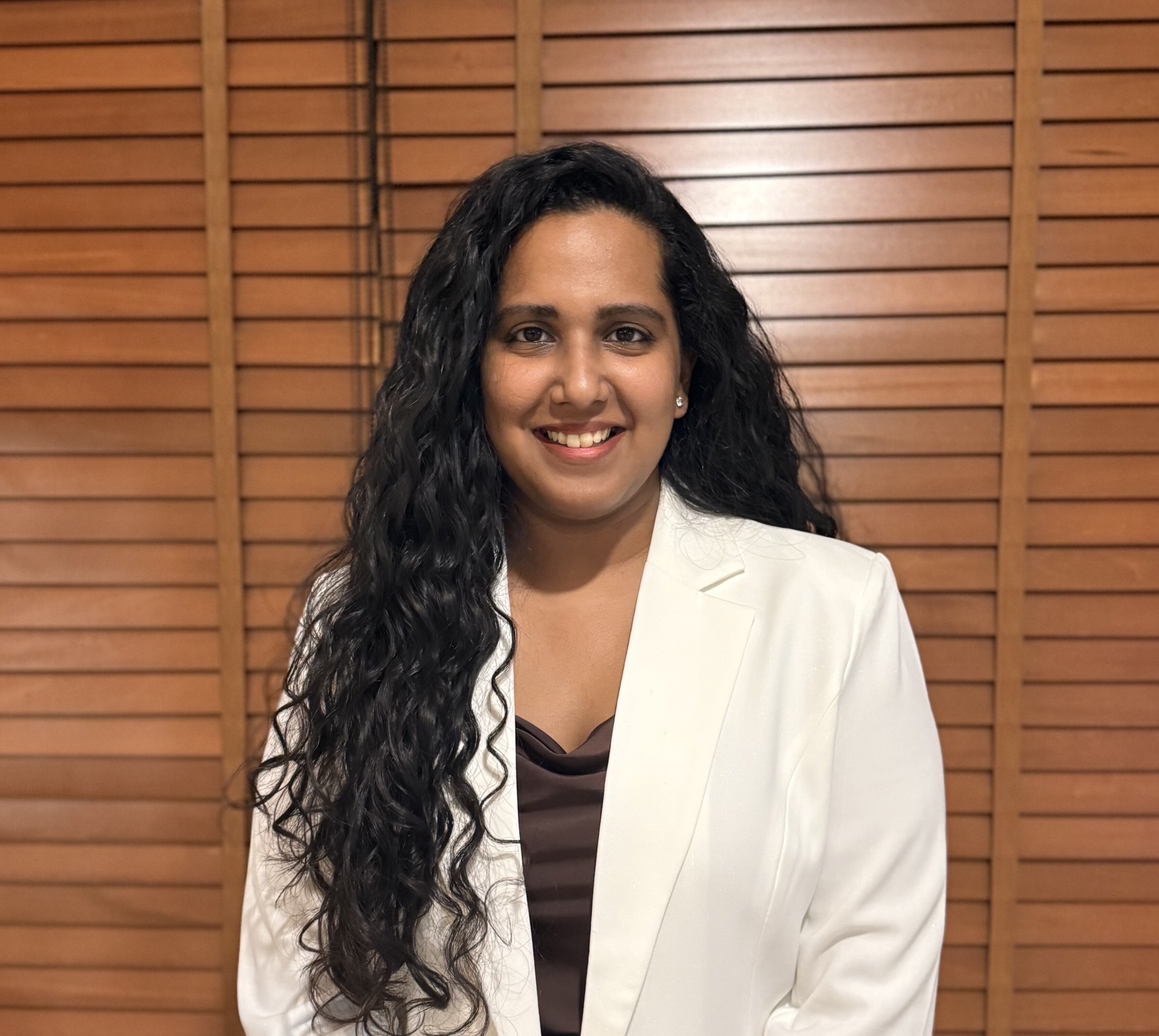
Sukriti Dua
Trauma-informed Psychologist
Sukriti is a trauma-informed psychologist and a dance/movement therapy facilitator who works with diverse individuals, couples and groups across the lifespan, via her private practice - Mentally Yours. In her practice, she believes in meeting people right where they are at and working with them using mind-body practices, relational and trauma approaches, in an eclectic and queer friendly manner. With close to a decade of experience in the field, she began with a post graduation in Clinical Psychology, and went on to complete certifications in Dance/Movement Therapy (CMTAI), Trauma Informed Care (TISS), Emotionally Focused Couples Therapy (ICEEFT) and Professional Supervision (IAPS). Holding a deep interest in education, she is currently- Faculty and Course Director of SoulUp’s Group Facil

Suhasini Anuradha Sundaresan
Psychologist
Suhasini Anuradha Sundaresan is a psychologist and neuroaffirmative therapist based in Mumbai, with over 14 years of experience in the mental health field. She is a late-diagnosed person on the autism spectrum. She provides counselling support to children, teenagers, and young adults, and works with parents through neurodiversity-focused psychoeducation and support.
Karoline
Psychotherapist
Karolin is a Bengaluru-based psychotherapist holding a Master’s degree in Counselling Psychology. She is pursuing training in psychoanalytic frameworks and is trained in Narrative Therapy. With diverse experience across psychotherapy, education, and the social sector, she provides a space of deep containment to explore unconscious patterns and relational dynamics. She runs an offline independent private practice in Bengaluru.
Fees
Professionals
₹7,000
One-time · all modules included
Enrol now- Session recordings
- Certificate
Come for capability
A certificate is a receipt. The reason to sit this cohort is that you can do the next session differently.
Insighte since 2016
Real rooms, not a slide-only institute. Public figures we already use: family rating 4.5, and 100+ schools.
Questions
How do I pay?
Fill in your name, mobile number, and email. We hold your seat and take you straight to our secure Razorpay page to pay by UPI, card, or net banking.
What happens after I sign up?
Razorpay emails your receipt. The Insighte team confirms your seat and shares joining details before the first session.
My payment did not go through. What now?
Your details are saved with a reference number. Enrol again from this page, or WhatsApp us with the reference and we will send a fresh link.
Can my school or team join together?
Yes. Use “Bring this training to your team” at the bottom of this page and the partnerships team will plan a cohort with you.
Prefer WhatsApp? Message the care team.
Child & Family Counselling Training
from ₹7,000